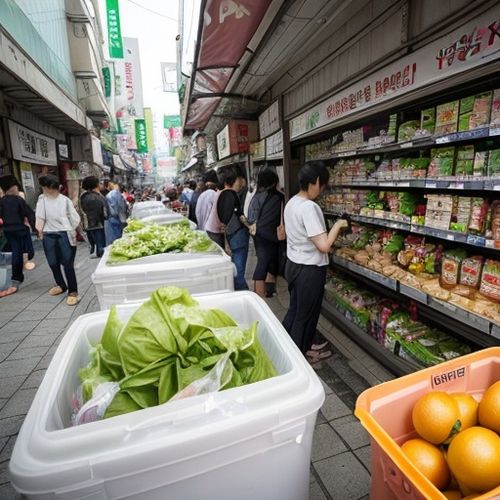
In the bustling streets of South Korea, a quiet revolution is taking place inside the country’s ubiquitous convenience stores. A growing movement to reduce food waste has led to an innovative pricing strategy: items nearing their expiration dates are sold at half price just one hour before they expire. This simple yet effective approach is not only helping customers save money but also addressing the global issue of food waste in a practical way.
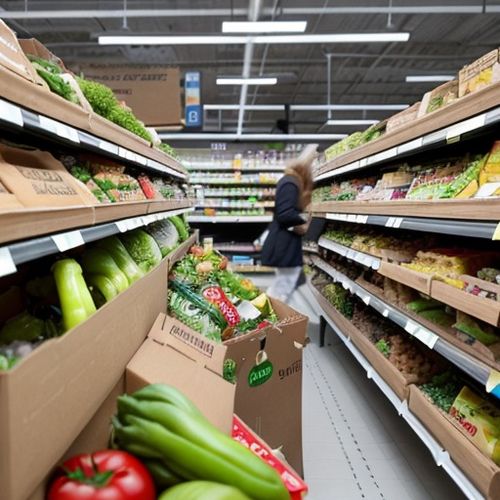
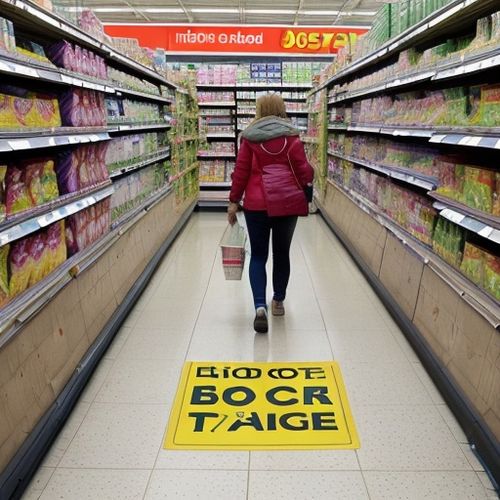
The concept, often referred to as the "One-Hour Half-Price Rule," has gained traction among both store owners and consumers. For shoppers, it’s an opportunity to grab high-quality food at a fraction of the original cost. For retailers, it’s a way to minimize losses while contributing to sustainability. The system works seamlessly—products like sandwiches, salads, ready-to-eat meals, and even some beverages are marked down drastically in their final hour of shelf life, encouraging last-minute purchases.
South Korea has long been a leader in waste management, with strict recycling laws and a cultural emphasis on environmental responsibility. The half-price initiative fits neatly into this framework, offering a win-win solution for businesses and the public. Unlike clearance sales in other countries, where near-expired items might be bundled or donated, Korean convenience stores have turned the process into a structured, predictable system that customers can rely on daily.
What makes this system particularly effective is its transparency. Expiration times are clearly labeled, and discounts are applied automatically at the register, removing any stigma associated with buying "almost expired" food. Consumers, especially younger generations and budget-conscious individuals, have embraced the trend, often planning their shopping around these discounted hours. Social media has further amplified its popularity, with shoppers sharing tips on the best times to visit stores and which locations offer the steepest discounts.
Behind the scenes, store employees play a crucial role in managing inventory to ensure products are discounted at the right moment. Advanced stock management systems help track expiration times down to the minute, preventing human error. This logistical precision ensures that the system runs smoothly, maintaining trust between retailers and customers. The result is a significant reduction in the amount of food thrown away—a small but meaningful step in a country where convenience stores are a cornerstone of daily life.
Critics might argue that the one-hour window is too narrow, limiting accessibility for those who can’t drop everything to shop at a specific time. However, proponents counter that the urgency is part of what makes the system work. The limited timeframe creates a sense of immediacy, driving quick decisions and reducing the likelihood of unsold items. Some stores have even begun experimenting with extending the discount window slightly or offering additional markdowns on items that remain unsold after the first price cut.
From an environmental perspective, the impact is undeniable. Food waste is a major contributor to greenhouse gas emissions, and initiatives like this help curb the problem at the retail level. In South Korea, where landfill space is limited and waste disposal is highly regulated, every effort to reduce trash matters. The convenience store model could serve as a blueprint for other countries grappling with similar issues, proving that sustainability and profitability don’t have to be mutually exclusive.
As the trend continues to grow, some chains are taking it a step further by integrating technology. Mobile apps now alert users when half-price items are available at nearby stores, and digital payment systems streamline the checkout process. These innovations are transforming what started as a simple discount strategy into a tech-enabled movement against food waste. For now, the "One-Hour Half-Price Rule" remains a uniquely Korean solution—one that other nations might do well to study and adapt.

By Emily Johnson/Apr 14, 2025

By Amanda Phillips/Apr 14, 2025

By Jessica Lee/Apr 14, 2025
By John Smith/Apr 14, 2025

By Thomas Roberts/Apr 10, 2025
By Amanda Phillips/Apr 14, 2025

By Michael Brown/Apr 14, 2025

By Jessica Lee/Apr 14, 2025

By Elizabeth Taylor/Apr 14, 2025

By Elizabeth Taylor/Apr 10, 2025
By Sophia Lewis/Apr 14, 2025
By William Miller/Apr 14, 2025

By John Smith/Apr 14, 2025
By Emily Johnson/Apr 14, 2025

By Emma Thompson/Apr 14, 2025
By Sarah Davis/Apr 10, 2025

By David Anderson/Apr 14, 2025

By Emily Johnson/Apr 14, 2025

By Eric Ward/Apr 14, 2025
By Eric Ward/Apr 14, 2025