Dutch Floating Houses" Designed to Rise Automatically in Case of Flooding

Apr 14, 2025 By Michael Brown

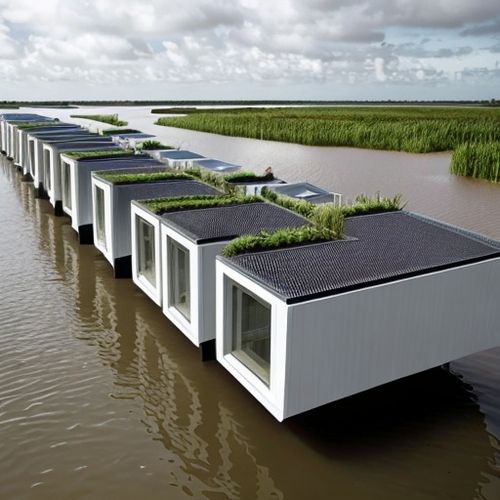
The Netherlands, a country famously situated below sea level, has long been a pioneer in innovative water management solutions. Among its most ingenious creations is the concept of floating houses—homes designed to rise with rising water levels, ensuring safety and sustainability in flood-prone areas. As climate change intensifies and sea levels continue to climb, these amphibious dwellings offer a glimpse into the future of resilient architecture.


The idea behind floating houses is as simple as it is revolutionary. Unlike traditional homes, which are built on solid foundations, these structures are constructed atop buoyant platforms. When water levels rise due to heavy rainfall or flooding, the houses simply float upward, tethered to sturdy mooring posts that keep them stable. This design not only prevents damage but also allows residents to remain in their homes during extreme weather events.


One of the most striking examples of this technology can be found in the Ijburg neighborhood of Amsterdam, where a community of floating homes has thrived for over a decade. These houses are not makeshift rafts but fully equipped, modern residences with all the comforts of conventional homes. From sleek, energy-efficient designs to spacious interiors, they prove that living on water doesn’t mean sacrificing luxury or convenience.


The engineering behind these floating homes is a marvel of adaptability. The foundations are typically made of lightweight, durable materials such as concrete or polystyrene, ensuring buoyancy without compromising structural integrity. Advanced anchoring systems keep the houses in place, allowing them to rise vertically without drifting horizontally. Some designs even incorporate flexible utility connections for water, electricity, and sewage, which can stretch and retract as the home moves with the water.


Beyond their practicality, floating houses represent a shift in how we think about urban development in the face of climate change. With coastal cities worldwide grappling with the threat of rising seas, the Dutch model offers a viable alternative to costly and often unsustainable flood defenses like levees and sea walls. Instead of fighting against water, these homes embrace it, turning a potential hazard into a livable environment.


Critics initially questioned the feasibility of large-scale floating communities, but the success of projects like Ijburg has silenced many skeptics. Residents report high satisfaction with their unique living arrangements, citing the tranquility of waterfront living and the peace of mind that comes with flood-resistant design. Moreover, the environmental benefits are significant—floating homes often incorporate solar panels, rainwater harvesting systems, and other green technologies, reducing their ecological footprint.


The Dutch government has taken note of this success, investing in further research and development of floating urban infrastructure. Plans are underway to expand floating neighborhoods and even explore floating farms, offices, and public spaces. This vision of a "blue city" could redefine urban resilience in an era of unpredictable climate patterns.


Internationally, the concept is gaining traction as well. Cities from Bangkok to New Orleans are exploring floating architecture as a solution to their own flooding challenges. While adapting the Dutch model to different climates and regulatory frameworks presents hurdles, the core principle—building with water rather than against it—holds universal appeal.


Of course, floating houses are not a one-size-fits-all solution. They require specific geographical conditions, such as calm waterways or controlled floodplains, to function effectively. Additionally, the initial costs can be higher than traditional construction, though proponents argue that the long-term savings in flood damage repairs and insurance outweigh the upfront investment.


As the world confronts the escalating impacts of climate change, the Netherlands’ floating houses stand as a testament to human ingenuity. By reimagining the relationship between land and water, these homes offer a sustainable path forward for vulnerable communities. Whether as a blueprint for future cities or a niche housing alternative, their significance in the fight against rising seas cannot be overstated.


In the end, the story of floating houses is more than just one of architectural innovation—it’s a story of adaptation. As sea levels rise and storms grow fiercer, the ability to live harmoniously with water may well determine the survival of coastal communities. The Dutch have shown that it’s possible to not just endure these changes but to thrive amidst them. The question now is how many others will follow their lead.

Recommend Posts
Life

Real-Life Test of American Smart Thermostat Nest: Annual Electricity Savings of $200 - Setting Tips

By Emily Johnson/Apr 14, 2025

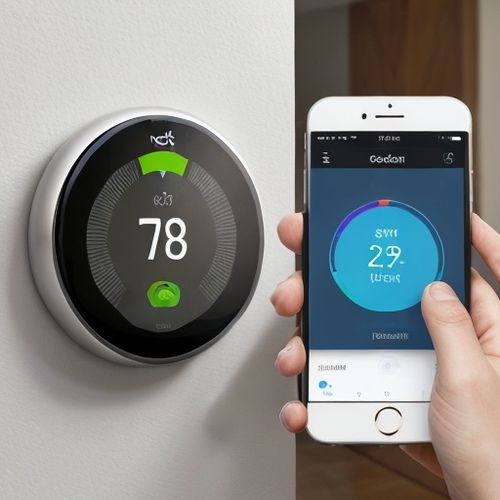
In an era where energy efficiency is both an economic necessity and an environmental imperative, smart thermostats like the Nest have emerged as game-changers for homeowners. Among the most compelling claims about these devices is their potential to slash annual energy bills by hundreds of dollars. But how much of this is marketing hype, and what does real-world usage actually yield? After months of testing and data collection with the Nest Learning Thermostat across multiple households, the results are clear: with intentional settings and behavioral adjustments, saving $200 or more annually isn’t just possible—it’s surprisingly achievable.
Life

French Historical Building 'Stone Wall Insulation' Renovation Plan: The Return of Traditional Craftsmanship"

By Amanda Phillips/Apr 14, 2025

In the heart of France’s historic districts, a quiet revolution is taking place—one that marries centuries-old craftsmanship with modern sustainability goals. The focus is on the country’s aging stone buildings, long admired for their charm but notorious for their poor insulation. Rather than opting for synthetic materials or disruptive retrofits, architects and builders are turning to traditional techniques to improve energy efficiency. This revival of "stone wall insulation" methods is not just about preserving heritage; it’s a pragmatic response to the climate crisis, offering lessons for Europe and beyond.
Life

A Guide to Identifying Italian Olive Oil with 'PDO Certification'

By Jessica Lee/Apr 14, 2025

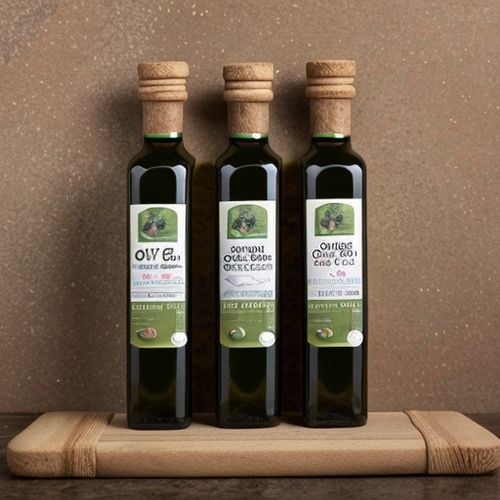
The world of olive oil is vast and varied, with countless options lining supermarket shelves. For those seeking the highest quality, Italian olive oils bearing the PDO (Protected Designation of Origin) certification stand out as a mark of excellence. This prestigious label guarantees not only superior taste but also a deep connection to the land, tradition, and meticulous production methods that have been honed over generations. Understanding how to identify and interpret the PDO certification can transform the way you select and appreciate Italian olive oil.
Life

Australia's 'Spider-Proof Screen' Material Upgrade: 0.2mm Mesh Still Allows Airflow

By John Smith/Apr 14, 2025

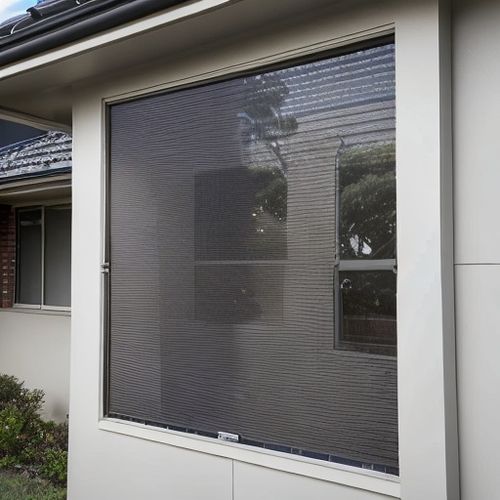
In a breakthrough for Australian homeowners, researchers have unveiled a next-generation spider-proof screen material that promises uncompromised protection without sacrificing breathability. The innovative mesh, featuring an ultra-fine 0.2mm aperture structure, represents a significant leap forward in pest control technology while addressing longstanding concerns about airflow restriction in traditional screens.
Life

Canada's 'Price Matching' Policy: This Trick Will Make Supermarkets Lower Prices

By Thomas Roberts/Apr 10, 2025

In the competitive world of Canadian retail grocery chains, one policy stands out as both a consumer favorite and a corporate headache: price matching. This little-known strategy allows savvy shoppers to legally force stores to lower their prices on the spot, yet remarkably few Canadians take full advantage of it. The practice goes far beyond simple coupon clipping or waiting for sales - it's an active negotiation tactic embedded in the fine print of most major retailers' policies.
Life

UK 'Expiry Date Supermarket' App: £5 for Ingredients Worth £30

By Amanda Phillips/Apr 14, 2025

In a world where food waste has become a pressing global issue, innovative solutions are emerging to tackle the problem head-on. One such solution gaining traction in the UK is the rise of "surplus food" supermarkets, which offer heavily discounted groceries that would otherwise go to waste. The concept is simple yet revolutionary: customers can purchase £30 worth of groceries for just £5 through dedicated apps like Too Good To Go and Olio.
Life

Dutch Floating Houses" Designed to Rise Automatically in Case of Flooding

By Michael Brown/Apr 14, 2025

The Netherlands, a country famously situated below sea level, has long been a pioneer in innovative water management solutions. Among its most ingenious creations is the concept of floating houses—homes designed to rise with rising water levels, ensuring safety and sustainability in flood-prone areas. As climate change intensifies and sea levels continue to climb, these amphibious dwellings offer a glimpse into the future of resilient architecture.
Life

Japan's 'Tankless Toilet' Water-saving Technology: Only 1 Liter of Water Needed per Flush

By Jessica Lee/Apr 14, 2025

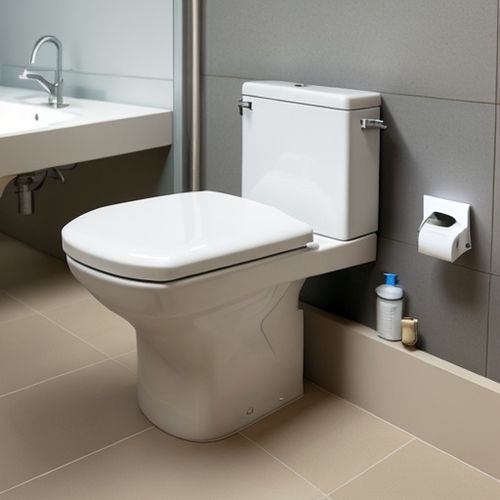
In a world increasingly focused on sustainability and water conservation, Japanese innovation has once again taken the lead with the development of tankless toilets that use just one liter of water per flush. This groundbreaking technology not only addresses the urgent need to reduce water consumption but also sets a new standard for eco-friendly bathroom fixtures. The implications of such efficiency are profound, particularly in regions facing water scarcity or for households looking to minimize their environmental footprint.
Life

Thailand 'Bargain Calculator': Input the marked price to automatically generate a reasonable counteroffer

By Elizabeth Taylor/Apr 14, 2025

In the bustling markets of Thailand, where vibrant stalls overflow with everything from handcrafted souvenirs to exotic spices, the art of haggling is as much a part of the culture as the food and festivals. For travelers and locals alike, negotiating a fair price can be both thrilling and daunting. Enter the Thai Bargaining Calculator, a digital tool designed to take the guesswork out of haggling by generating a reasonable counteroffer based on the initial asking price.
Life

Invisible Inflation in the U.S.: How to Avoid Being Ripped Off by Shrinkflation?"

By Elizabeth Taylor/Apr 10, 2025

The grocery store aisles have become a psychological battleground. As inflation continues to pinch American wallets, many consumers are laser-focused on price tags while missing a more insidious form of financial erosion – the shrinking package. This phenomenon, known as shrinkflation, represents corporate America's quiet rebellion against rising production costs, where manufacturers subtly reduce product quantities while maintaining familiar packaging and prices.
Life

South Korea's Half Price One Hour Before Expiration" Convenience Store Food Rule

By Sophia Lewis/Apr 14, 2025

In the bustling streets of South Korea, a quiet revolution is taking place inside the country’s ubiquitous convenience stores. A growing movement to reduce food waste has led to an innovative pricing strategy: items nearing their expiration dates are sold at half price just one hour before they expire. This simple yet effective approach is not only helping customers save money but also addressing the global issue of food waste in a practical way.
Life

Japanese 100-Yen Store 'Counterfeit Brand' Replacement List: Buy Same Quality at 30% Off

By William Miller/Apr 14, 2025

In the bustling streets of Tokyo and beyond, a quiet revolution in consumer habits is taking place. Japanese 100-yen shops, long celebrated for their affordability and surprising quality, are now becoming go-to destinations for savvy shoppers seeking near-identical alternatives to premium brands at a fraction of the cost. These stores have evolved far beyond simple discount retailers - they're now producing what industry insiders call "high-spec clones" of popular branded goods, with quality that often rivals their expensive counterparts.
Life

Hidden Furniture Design in Singapore's Public Housing: Bed-Cabinet Transforming System"

By John Smith/Apr 14, 2025

In the heart of Singapore's bustling urban landscape, a quiet revolution in home design is taking place. The city-state's iconic Housing and Development Board (HDB) flats have long been celebrated for their efficient use of space, but recent innovations in "hidden furniture" systems are pushing boundaries further than ever before. Among these breakthroughs, the bed-cabinet transformation system stands out as a marvel of functional design that perfectly encapsulates Singapore's philosophy of living well in compact spaces.
Life

Hidden Benefits of Costco in the US: Free Tire Inflation + Battery Testing"

By Emily Johnson/Apr 14, 2025

For many Costco members, the appeal of the warehouse giant lies in its bulk discounts, high-quality Kirkland Signature products, and the thrill of stumbling upon unexpected deals. However, beyond the well-advertised savings on groceries and electronics, Costco offers a suite of lesser-known services that often fly under the radar. Among these hidden gems are complimentary tire inflation and free battery testing—perks that can save members both time and money while reinforcing the retailer’s reputation for customer-centric value.
Life

German Window Design: Slanted Ventilation for Winter Air Exchange Without Heat Loss

By Emma Thompson/Apr 14, 2025

The German approach to window design has long been celebrated for its ingenuity, particularly when it comes to balancing ventilation with energy efficiency. Among the most fascinating innovations is the tilt-and-turn window mechanism, a staple in German homes that allows for effective air circulation without significant heat loss during the colder months. This design isn’t just a minor convenience—it’s a thoughtful solution to a problem that many colder climates face: how to keep indoor air fresh while maintaining warmth.
Life

10 Hidden Uses of Japanese 100-Yen Store Items: Save 50% on Expenses with These Great Alternatives

By Sarah Davis/Apr 10, 2025

In the bustling aisles of Japan’s iconic 100-yen shops, savvy shoppers have long discovered that these stores offer far more than just affordable trinkets and disposable goods. Behind the neatly arranged shelves lies a treasure trove of hidden gems—everyday items that can brilliantly substitute for their pricier counterparts, often at a fraction of the cost. For budget-conscious consumers, mastering these clever alternatives can slash household expenses by 50% or more without sacrificing quality or functionality.
Life

Maintenance Taboos for 'Floor Heating + Wood Flooring' Combination in Canada

By David Anderson/Apr 14, 2025

For Canadian homeowners, the combination of radiant floor heating and hardwood flooring offers a luxurious and efficient way to keep homes warm during harsh winters. However, this pairing requires careful maintenance to avoid costly damage and ensure longevity. Unlike traditional heating systems, radiant floor heating operates silently beneath your feet, gently warming the room from the ground up. While this method is energy-efficient and comfortable, it introduces unique challenges when paired with wood flooring, which is sensitive to temperature fluctuations and moisture levels.
Life

Nordic 'Minimalist Storage Method': How to Utilize Vertical Space to Enhance Efficiency in Small Homes?

By Emily Johnson/Apr 14, 2025

The Scandinavian approach to minimalism has long been revered for its ability to transform cramped living spaces into havens of efficiency and tranquility. At the heart of this philosophy lies the art of vertical space utilization—a concept that turns walls, doors, and even ceilings into dynamic storage solutions. Unlike traditional horizontal storage that consumes precious floor area, the Nordic method embraces height as an untapped resource, creating visual breathing room while maximizing functionality.
Life

Dubai 'Sunscreen Window Film' Review: 98% UV Blockage Rate

By Eric Ward/Apr 14, 2025

The relentless Middle Eastern sun has long been a challenge for architects and homeowners in Dubai, where temperatures regularly soar above 40°C. A revolutionary window film solution has emerged as a game-changer in urban sun protection, with recent independent testing revealing an extraordinary 98% ultraviolet radiation blockage rate. This technological breakthrough couldn't come at a better time for the city's sustainability-focused development.
Life

European Supermarket 'Discount Label Color Code': Red = Must-Reduce Price of the Day

By Eric Ward/Apr 14, 2025

Walking through the fluorescent-lit aisles of a European supermarket, you might notice a curious pattern in the discount stickers plastered across soon-to-expire goods. The colors aren’t random—they’re a carefully orchestrated “discount tag color code” designed to maximize sales while minimizing waste. Among these, the red tag stands out as the most urgent: it signals that the item must be sold that day, often at a steep markdown. This system, quietly adopted by chains across the continent, reveals much about how supermarkets manipulate time, perception, and consumer psychology to keep profits high and waste bins empty.