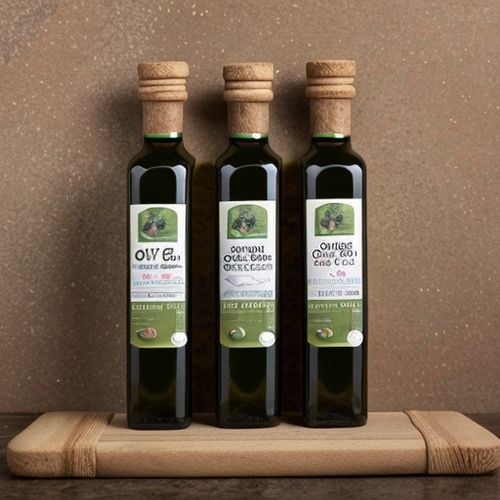
The world of olive oil is vast and varied, with countless options lining supermarket shelves. For those seeking the highest quality, Italian olive oils bearing the PDO (Protected Designation of Origin) certification stand out as a mark of excellence. This prestigious label guarantees not only superior taste but also a deep connection to the land, tradition, and meticulous production methods that have been honed over generations. Understanding how to identify and interpret the PDO certification can transform the way you select and appreciate Italian olive oil.
Walking through the olive oil section of a gourmet store, you might notice small round logos featuring yellow and blue stars. These are the visual hallmarks of the PDO certification, a system implemented by the European Union to protect and promote regional agricultural products. The PDO label assures consumers that every step of the olive oil's production—from the cultivation of the olives to the bottling of the oil—takes place within a specific geographic area, following strict traditional methods. Unlike more generic labels, PDO-certified oils carry the unmistakable flavors of their terroir, making each bottle a unique expression of its origin.
The history of PDO certification in Italy is deeply intertwined with the country's culinary heritage. For centuries, Italian farmers have cultivated olive varieties that thrive in their local microclimates, resulting in oils with distinct personalities. The PDO system, introduced in 1992, was designed to safeguard these traditions against mass production and imitation. Today, over 40 Italian olive oils boast PDO status, each representing a specific region such as Tuscany, Liguria, or Sicily. When you purchase a PDO-certified oil, you're not just buying a condiment—you're investing in a piece of living history.
Deciphering a PDO label requires attention to detail. The most prominent feature is the circular EU logo with a yellow and blue design, featuring the letters "PDO" or the full phrase "Protected Designation of Origin." Beneath this, you'll find the specific name of the certified product, such as "Toscano PDO" or "Brisighella PDO." The label should also include a control number assigned by the certifying body, which can be used to trace the oil's origin. Some producers go further by including harvest dates, olive varieties, and even the names of the mills where the oil was pressed, offering unprecedented transparency for discerning buyers.
Beyond the visual markers, authentic PDO olive oils possess certain characteristics that set them apart. The aroma should be fresh and vibrant, with notes that reflect its region—perhaps grassy and artichoke-like for oils from Tuscany, or more delicate and floral for Ligurian varieties. The taste should be complex, with a perfect balance of fruitiness, bitterness, and pungency that lingers pleasantly in the throat. Many PDO oils display a natural cloudiness or sediment, evidence that they haven't been overly filtered or processed. These sensory qualities, combined with the official certification, create a complete picture of quality that counterfeit products simply can't replicate.
The journey from olive grove to bottle for PDO-certified oils follows rigorous protocols. Harvesting must occur at precise times to ensure optimal acidity levels, typically between 0.2% and 0.8%. Only mechanical methods are permitted for extraction, preserving the oil's chemical composition and health benefits. Perhaps most importantly, the entire process must occur within the designated region—olives cannot be transported elsewhere for pressing or bottling. This geographical tethering ensures that local expertise and environmental factors fully influence the final product, creating oils that truly taste of their birthplace.
For consumers, choosing PDO olive oil represents both a culinary decision and an ethical one. By selecting these certified products, you support small-scale farmers who maintain traditional practices against the tide of industrial agriculture. You're also voting for biodiversity, as PDO regulations often protect rare olive varieties that might otherwise disappear. In an era of globalized food systems, the PDO label offers a way to connect with specific places and people through flavor. The slightly higher price point reflects not just superior quality, but the true cost of sustainable, heritage-focused production.
As with any prestigious certification, counterfeit PDO olive oils occasionally appear on the market. Some bottles might feature similar-looking logos or vague references to protected regions without proper authorization. To avoid these imitations, purchase from reputable sellers who can provide documentation, and always check for the official PDO logo and control number. Many authentic producers now incorporate QR codes on their labels that link directly to certification details. Remember that true PDO oils will never be sold in bulk or at prices significantly lower than the market average—exceptional quality and traditional methods command fair compensation.
The cultural significance of PDO olive oil extends far beyond the kitchen. In Italy, these oils represent regional identities and family legacies, with some groves tended by the same families for centuries. The annual harvest becomes a community event, blending practical work with celebration. When you use a PDO-certified oil, you participate in this living tradition. Drizzle it over a simple bruschetta or fresh salad, and you'll understand why these oils are considered liquid gold. The flavors tell stories of sun-drenched hillsides, sea breezes, and generations of knowledge passed down through the ages.
Exploring Italian PDO olive oils offers a delicious education in geography and gastronomy. Each region's oil pairs naturally with its local cuisine—the robust Tuscan oils with hearty bean soups, the milder Ligurian varieties with delicate seafood. As you become familiar with different PDO designations, you'll develop your own preferences and discover how subtle variations in climate and cultivation methods influence flavor profiles. This knowledge transforms olive oil from a simple pantry staple into a passport to Italy's diverse landscapes and culinary traditions, one exquisite drop at a time.

By Emily Johnson/Apr 14, 2025

By Amanda Phillips/Apr 14, 2025
By Jessica Lee/Apr 14, 2025

By John Smith/Apr 14, 2025

By Thomas Roberts/Apr 10, 2025
By Amanda Phillips/Apr 14, 2025

By Michael Brown/Apr 14, 2025

By Jessica Lee/Apr 14, 2025
By Elizabeth Taylor/Apr 14, 2025

By Elizabeth Taylor/Apr 10, 2025
By Sophia Lewis/Apr 14, 2025

By William Miller/Apr 14, 2025

By John Smith/Apr 14, 2025

By Emily Johnson/Apr 14, 2025

By Emma Thompson/Apr 14, 2025
By Sarah Davis/Apr 10, 2025

By David Anderson/Apr 14, 2025

By Emily Johnson/Apr 14, 2025

By Eric Ward/Apr 14, 2025
By Eric Ward/Apr 14, 2025