The German approach to window design has long been celebrated for its ingenuity, particularly when it comes to balancing ventilation with energy efficiency. Among the most fascinating innovations is the tilt-and-turn window mechanism, a staple in German homes that allows for effective air circulation without significant heat loss during the colder months. This design isn’t just a minor convenience—it’s a thoughtful solution to a problem that many colder climates face: how to keep indoor air fresh while maintaining warmth.
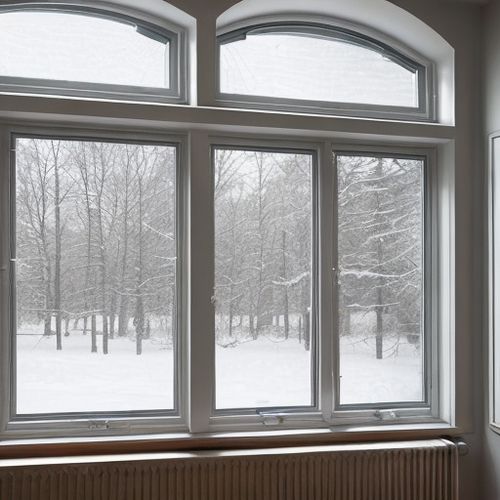
At first glance, the tilt-and-turn window might seem like a simple variation of standard double-hung or sliding windows. However, its engineering reveals a deeper consideration for both functionality and energy conservation. Unlike traditional windows that open fully or not at all, the German design offers two distinct opening modes. The first is a slight inward tilt from the top, creating a narrow gap that facilitates gentle air exchange. The second is a full inward swing, allowing for maximum ventilation when needed. This dual functionality makes it exceptionally versatile across seasons.
What sets this system apart is its ability to minimize heat loss during winter ventilation. When tilted, the window forms a strategic airflow path where cold air enters at the top while warm indoor air rises and exits slightly higher up. This creates a natural convection current that refreshes the room without allowing the cold draft to plunge temperatures. The physics behind it is straightforward but effective—cold air, being denser, settles near the floor, while the warmer air lingers above. By positioning the tilt at the top, the system ensures that only a controlled amount of air circulates, preventing the abrupt loss of heat that occurs with traditional open windows.
The materials and construction of these windows further enhance their efficiency. High-quality seals and multi-chambered frames reduce air leakage, while durable hardware ensures the tilt mechanism operates smoothly even in freezing conditions. Many modern iterations also incorporate thermal breaks—insulating barriers within the frame—to further curb heat transfer. It’s a marriage of mechanical precision and material science that reflects Germany’s broader commitment to energy-efficient building practices.
Beyond the technical advantages, the tilt-and-turn design also addresses practical concerns. For instance, the tilted position allows ventilation even during rain, as the inward angle prevents water from entering. Safety is another benefit; the slight opening is too narrow for children to climb through, yet sufficient for air renewal. These considerations highlight how the design isn’t just about physics—it’s about adapting to the rhythms of daily life.
Adoption of this window style outside Germany has been gradual but steady, particularly in regions with harsh winters. Architects and homeowners alike are recognizing its potential to reduce reliance on mechanical ventilation systems, which often consume energy and circulate stale air. Passive house designs, which prioritize natural solutions for heating and cooling, frequently incorporate tilt-and-turn windows as a key component. Their ability to provide continuous low-level ventilation aligns perfectly with the principles of sustainable building.
Critics might argue that the upfront cost of these windows is higher than conventional options. However, the long-term savings on heating bills and the added comfort they provide often justify the investment. Moreover, their durability means fewer replacements over time, reducing material waste—a small but meaningful contribution to environmental conservation.
The tilt-and-turn window is more than a clever piece of engineering; it’s a testament to how thoughtful design can solve multiple problems simultaneously. By reimagining something as mundane as a window hinge, German innovators have created a system that enhances comfort, saves energy, and adapts to the needs of its users. In a world increasingly focused on sustainability, such solutions offer a blueprint for how everyday objects can be reengineered for a better future.
By Emily Johnson/Apr 14, 2025
By Amanda Phillips/Apr 14, 2025

By Jessica Lee/Apr 14, 2025
By John Smith/Apr 14, 2025

By Thomas Roberts/Apr 10, 2025

By Amanda Phillips/Apr 14, 2025
By Michael Brown/Apr 14, 2025
By Jessica Lee/Apr 14, 2025

By Elizabeth Taylor/Apr 14, 2025

By Elizabeth Taylor/Apr 10, 2025

By Sophia Lewis/Apr 14, 2025

By William Miller/Apr 14, 2025
By John Smith/Apr 14, 2025
By Emily Johnson/Apr 14, 2025
By Emma Thompson/Apr 14, 2025
By Sarah Davis/Apr 10, 2025
By David Anderson/Apr 14, 2025
By Emily Johnson/Apr 14, 2025

By Eric Ward/Apr 14, 2025

By Eric Ward/Apr 14, 2025