In the bustling aisles of Japan’s iconic 100-yen shops, savvy shoppers have long discovered that these stores offer far more than just affordable trinkets and disposable goods. Behind the neatly arranged shelves lies a treasure trove of hidden gems—everyday items that can brilliantly substitute for their pricier counterparts, often at a fraction of the cost. For budget-conscious consumers, mastering these clever alternatives can slash household expenses by 50% or more without sacrificing quality or functionality.
The magic of Japan’s 100-yen stores lies in their ability to replicate specialized products using simple, multipurpose designs. Take kitchen essentials, for example. Daiso’s silicone baking cups, originally intended for muffins, have become a viral hack for organizing makeup brushes or office supplies. Their heat-resistant material and vibrant colors make them a stylish and durable alternative to desk organizers sold at specialty stores for five times the price. Similarly, stackable food containers from Seria, though marketed for leftovers, are increasingly repurposed as modular storage units for craft supplies or children’s toys, outperforming flimsy plastic organizers in durability and space efficiency.
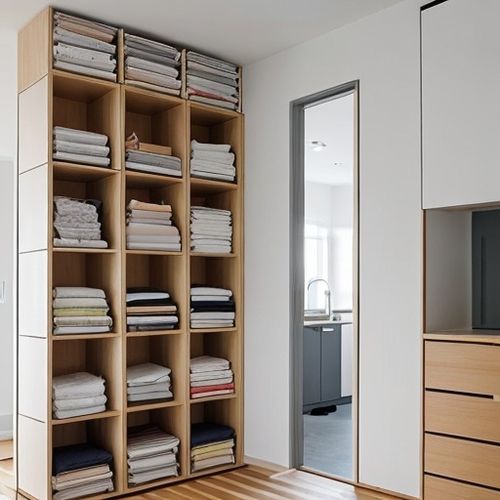
Home organization reveals even more ingenious swaps. Adjustable tension rods, typically used for curtains, are now secret weapons for creating instant under-sink storage or dividing closet sections vertically. When paired with S-hooks from Can Do, they transform into hanging racks for cleaning tools or accessories—eliminating the need for expensive modular systems. Even humble acrylic photo frames double as chic desktop document holders or spice rack covers when mounted horizontally, proving that minimalism can be both affordable and aesthetically pleasing.
Beauty enthusiasts have uncovered particularly surprising alternatives. The same microfiber cleaning cloths designed for electronics make exceptional makeup removers, gentler on skin than many disposable wipes and machine-washable for repeated use. Small silicone spatulas meant for condiments become perfect tools for scraping out the last traces of foundation or moisturizer from bottles, while dropper bottles sold for kitchen oils are now favored for DIY serums and nail polish removers due to their precision tips and leak-proof designs.
In the realm of DIY and repairs, 100-yen shops outshine hardware stores for small solutions. Non-slip cabinet liners cut into strips work remarkably well as drawer bumpers or shelf stabilizers, adhering firmly without damaging surfaces. Plastic cable clips intended for computer wires can secure unruly garden hoses or Christmas light strands, while magnets with adhesive backing turn any metal surface into a tool holder—all solutions that would cost significantly more if marketed for their secondary uses.
Parents have particularly embraced these creative substitutions. What sells as a vegetable washing basket becomes the perfect bath toy organizer, its drainage holes allowing water to escape naturally. Portable pill cases morph into portion-controlled snack containers for outings, and folding file boxes serve as collapsible toy bins that grow with a child’s changing interests. The adaptability of these items demonstrates how reimagining a product’s purpose can yield substantial savings across multiple areas of family life.
Even pet owners benefit from these hidden hacks. Stainless steel kitchen strainers make excellent durable food bowls for small pets, easier to clean than plastic alternatives. Plastic drawer dividers reconfigure into cat toy organizers, while soft-bristle cleaning brushes become gentle grooming tools for short-haired animals. The crossover between human and pet products at 100-yen shops highlights how versatile design transcends intended use categories.
The psychology behind these substitutions reveals why they work so well. Japanese manufacturers prioritize functional minimalism—creating items that solve specific problems without unnecessary features. This philosophy allows products to adapt seamlessly to unforeseen needs. A ceramic ramekin’s perfect weight and curve might make it an ideal candle holder, just as a lazy Susan designed for spices could revolutionize bathroom countertop organization. The cultural emphasis on mottainai (the aversion to waste) further encourages consumers to discover multiple lifetimes for a single item.
Critics might argue that specialized tools exist for a reason, but the thriving resale market for 100-yen shop items tells a different story. On platforms like Mercari, creatively repurposed Daiso products often resell at premiums, proving their unexpected value. From nail polish racks made from utensil holders to earring organizers crafted from grid memo boards, these items demonstrate remarkable versatility when viewed through an innovative lens.
Ultimately, the art of substitution in 100-yen shops isn’t about settling for less—it’s about recognizing that good design frequently transcends labels. Whether using a toothbrush holder as a herb garden or hair curler clips as chip bag seals, these small acts of creativity compound into significant savings. As global inflation makes budget-friendly solutions increasingly valuable, Japan’s humble dollar stores offer masterclasses in resourcefulness that anyone can adapt, one brilliant swap at a time.
By Emily Johnson/Apr 14, 2025

By Amanda Phillips/Apr 14, 2025

By Jessica Lee/Apr 14, 2025
By John Smith/Apr 14, 2025

By Thomas Roberts/Apr 10, 2025

By Amanda Phillips/Apr 14, 2025

By Michael Brown/Apr 14, 2025
By Jessica Lee/Apr 14, 2025

By Elizabeth Taylor/Apr 14, 2025

By Elizabeth Taylor/Apr 10, 2025
By Sophia Lewis/Apr 14, 2025
By William Miller/Apr 14, 2025
By John Smith/Apr 14, 2025
By Emily Johnson/Apr 14, 2025

By Emma Thompson/Apr 14, 2025
By Sarah Davis/Apr 10, 2025

By David Anderson/Apr 14, 2025
By Emily Johnson/Apr 14, 2025

By Eric Ward/Apr 14, 2025
By Eric Ward/Apr 14, 2025