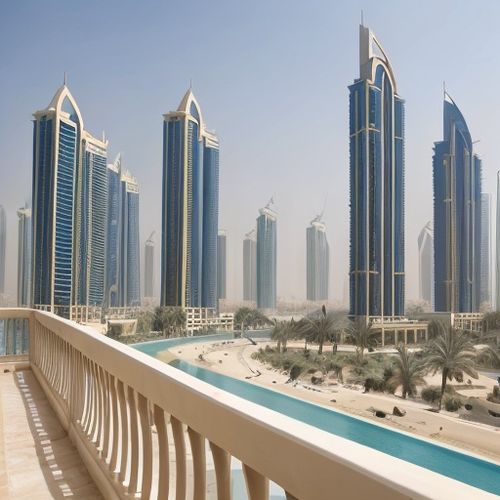
The relentless Middle Eastern sun has long been a challenge for architects and homeowners in Dubai, where temperatures regularly soar above 40°C. A revolutionary window film solution has emerged as a game-changer in urban sun protection, with recent independent testing revealing an extraordinary 98% ultraviolet radiation blockage rate. This technological breakthrough couldn't come at a better time for the city's sustainability-focused development.
Developed through years of material science research at Dubai's premier nanotechnology labs, this innovative film represents the culmination of multiple technological advancements. Unlike conventional tinting solutions that merely darken windows, the new film employs microscopic ceramic particles arranged in precise optical patterns to selectively filter harmful rays while maintaining exceptional visibility. "We've essentially created an invisible shield that understands sunlight at molecular level," explains Dr. Amina Khalid, lead researcher at the Dubai Advanced Materials Institute.
Comprehensive testing conducted at the Emirates Standardization Authority facilities subjected the film to extreme accelerated weathering equivalent to five years of direct desert sun exposure. The results astonished even the product developers - maintaining 98.2% UV-A and 97.9% UV-B blockage throughout the trials. More remarkably, the film demonstrated only 2% visible light reduction, preserving the aesthetic appeal of Dubai's iconic glass architecture while providing unprecedented protection.
The implications for public health could be profound. Dermatologists across the UAE have welcomed the development, noting that prolonged UV exposure contributes significantly to premature skin aging and increases skin cancer risks. "Most people don't realize that standard glass blocks only about 25-40% of UV radiation," warns Dr. Hassan Al-Mansoori from Dubai Dermatology Clinic. "This film essentially creates a medical-grade barrier against the sun's most damaging effects."
Beyond health benefits, the economic impact promises to be substantial. Early adopters report dramatic reductions in air conditioning costs, with some commercial buildings documenting 30-35% decreases in cooling expenses. The film's thermal rejection properties prevent solar heat gain while allowing natural light penetration - a holy grail combination for energy-conscious developers in hot climates. Several new mega-projects along Dubai Creek have already specified the technology for all exterior glazing.
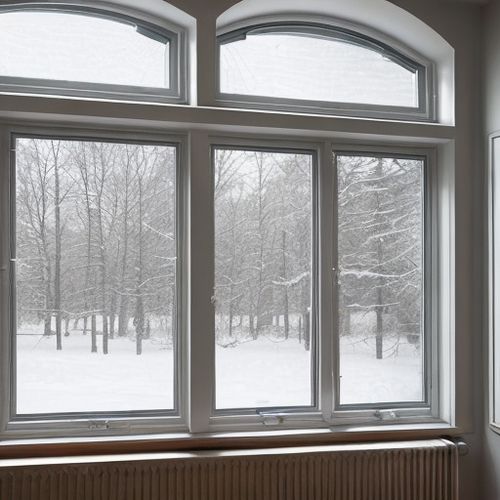
Installation specialists note the product's surprising versatility. Unlike earlier generations of window films that required perfect conditions, this advanced material can be applied to existing glass of varying ages and conditions. "We've successfully retrofitted everything from century-old villa windows to the curved glass of modern skyscrapers," shares Malik Ibrahim of Desert Sun Installations. The application process takes about 50% less time than conventional films, with immediate effectiveness upon installation.
Environmental analysts highlight another crucial benefit - the film's potential to extend the lifespan of interior furnishings. Museums, art galleries, and luxury retailers are particularly enthusiastic, as the technology protects sensitive materials from UV degradation without compromising display lighting. The Louvre Abu Dhabi has begun evaluating the film for protecting its priceless collections, while several five-star hotels along Jumeirah Beach have already completed full property installations.
Market response has been overwhelming since the test results became public. Manufacturing facilities are operating at full capacity to meet demand, with backorders stretching into next quarter. The product's success has sparked interest beyond the region, with inquiries coming from tropical cities worldwide and even European countries experiencing increasingly intense summers due to climate change.
As Dubai continues to pioneer urban solutions for extreme climates, this window film innovation stands as testament to the emirate's commitment to merging technological advancement with quality of life improvements. With summer temperatures predicted to rise further in coming decades, such smart protective technologies will likely become standard features in sustainable architecture across sunbelt cities globally.
By Emily Johnson/Apr 14, 2025
By Amanda Phillips/Apr 14, 2025
By Jessica Lee/Apr 14, 2025
By John Smith/Apr 14, 2025

By Thomas Roberts/Apr 10, 2025

By Amanda Phillips/Apr 14, 2025
By Michael Brown/Apr 14, 2025
By Jessica Lee/Apr 14, 2025

By Elizabeth Taylor/Apr 14, 2025

By Elizabeth Taylor/Apr 10, 2025

By Sophia Lewis/Apr 14, 2025
By William Miller/Apr 14, 2025
By John Smith/Apr 14, 2025
By Emily Johnson/Apr 14, 2025
By Emma Thompson/Apr 14, 2025
By Sarah Davis/Apr 10, 2025
By David Anderson/Apr 14, 2025
By Emily Johnson/Apr 14, 2025
By Eric Ward/Apr 14, 2025
By Eric Ward/Apr 14, 2025