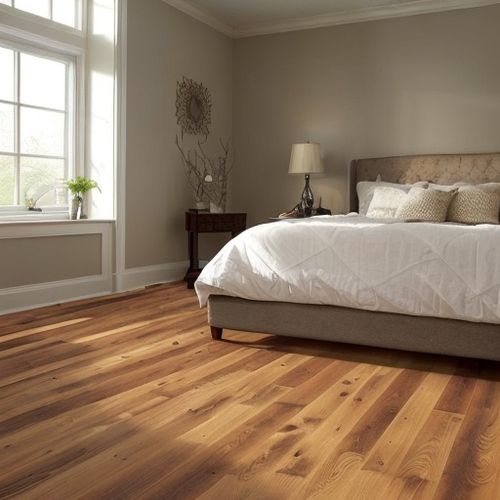
For Canadian homeowners, the combination of radiant floor heating and hardwood flooring offers a luxurious and efficient way to keep homes warm during harsh winters. However, this pairing requires careful maintenance to avoid costly damage and ensure longevity. Unlike traditional heating systems, radiant floor heating operates silently beneath your feet, gently warming the room from the ground up. While this method is energy-efficient and comfortable, it introduces unique challenges when paired with wood flooring, which is sensitive to temperature fluctuations and moisture levels.
Understanding the relationship between radiant heat and wood flooring is crucial. Wood is a natural material that expands and contracts with changes in humidity and temperature. Radiant floor heating accelerates this process by gradually warming the wood from below. If not properly managed, this can lead to gaps between planks, warping, or even cracking over time. The key is to maintain a stable indoor environment—keeping humidity levels between 35% and 55% and avoiding sudden temperature spikes. A hygrometer can be a valuable tool for monitoring these conditions.
One common mistake homeowners make is cranking up the heat too quickly during cold snaps. While it may be tempting to turn the thermostat up for instant warmth, rapid temperature changes stress the wood. Instead, gradual adjustments are recommended, allowing the flooring to acclimate. Similarly, when transitioning from winter to spring, lowering the heat incrementally helps prevent sudden contraction of the wood. This patience pays off in the long run by preserving the floor’s structural integrity and appearance.
Moisture is another critical factor in maintaining hardwood floors over radiant heating. Wood naturally absorbs and releases moisture from the air, but excessive dryness—common in heated homes during winter—can cause the planks to shrink and splinter. Using a humidifier during drier months helps counteract this effect. On the flip side, excessive moisture from spills or leaks can seep into the wood, causing swelling or mold growth. Immediate cleanup is essential, and area rugs in high-traffic zones can provide an extra layer of protection.
The type of wood and finish you choose also plays a significant role in durability. Engineered hardwood, with its layered construction, is often more stable than solid wood when exposed to radiant heat. It resists warping and can handle moderate temperature variations better. For finishes, oil-based polyurethane or aluminum oxide coatings tend to hold up well under heat, whereas wax or water-based finishes may degrade faster. Consulting a flooring specialist before installation can save headaches down the road.
Regular cleaning is another aspect that shouldn’t be overlooked. Dust and debris can scratch the surface of hardwood floors, especially when grit gets trapped underfoot. Sweeping or dry mopping daily prevents buildup, while occasional damp mopping with a pH-neutral cleaner keeps the floors looking pristine. Avoid steam mops entirely, as the intense heat and moisture can penetrate the wood and damage both the flooring and the heating system beneath it.
Radiant floor heating systems themselves require periodic checks to ensure they’re functioning optimally. Sediment buildup in water-based systems or electrical issues in electric systems can create uneven heating, which in turn affects the wood above. Annual inspections by a qualified technician can identify potential problems early. Additionally, never cover the floors with thick carpets or pads, as these insulate the heat and force the system to work harder, potentially overheating the wood.
Seasonal adjustments are part of the routine when living with this combination. Before winter arrives, it’s wise to inspect the flooring for any signs of wear or damage that could worsen under heat. Applying a fresh coat of sealant may be necessary to reinforce the protective barrier. During summer, when the heating is off, maintaining consistent humidity levels prevents the wood from absorbing too much moisture and swelling. These small but consistent efforts go a long way in extending the life of both the flooring and the heating system.
Lastly, recognizing early warning signs can prevent major repairs. Creaking noises, visible gaps, or uneven sections in the flooring often indicate that the wood is reacting poorly to the heating. Addressing these issues promptly—whether by adjusting the thermostat, increasing humidity, or consulting a professional—can mitigate further damage. Investing in quality materials and mindful maintenance ensures that the warmth and beauty of hardwood floors over radiant heating remain a highlight of your home for years to come.

By Emily Johnson/Apr 14, 2025
By Amanda Phillips/Apr 14, 2025

By Jessica Lee/Apr 14, 2025
By John Smith/Apr 14, 2025

By Thomas Roberts/Apr 10, 2025

By Amanda Phillips/Apr 14, 2025

By Michael Brown/Apr 14, 2025
By Jessica Lee/Apr 14, 2025

By Elizabeth Taylor/Apr 14, 2025

By Elizabeth Taylor/Apr 10, 2025

By Sophia Lewis/Apr 14, 2025

By William Miller/Apr 14, 2025
By John Smith/Apr 14, 2025
By Emily Johnson/Apr 14, 2025
By Emma Thompson/Apr 14, 2025

By Sarah Davis/Apr 10, 2025
By David Anderson/Apr 14, 2025
By Emily Johnson/Apr 14, 2025

By Eric Ward/Apr 14, 2025

By Eric Ward/Apr 14, 2025